People

Daniel McGehee
Principal Investigator
The potent nervous system effects of nicotine are clearly evidenced by the
widespread use of tobacco products. In addition to reinforcing smoking
behavior, nicotine is also reported to have analgesic, anxiolytic and
memory-enhancing properties. An interesting, but confounding problem in
the field is that although nAChRs are expressed throughout the brain
and spinal cord, there is very little direct evidence that they mediate
synaptic transmission. Rather, a major role of these receptors is the
modulation of neurotransmitter release via their expression on
presynaptic terminals.
We are investigating the cellular mechanisms underlying nicotine's
rewarding and antinociceptive effects. All drugs of abuse are known to
enhance dopamine release from midbrain reward centers and this is a
crucial step in the reinforcement of drug-taking behavior. We are
investigating the cellular mechanisms that contribute to this change in
dopamine output. Most addictive drugs display significant analgesic
profiles and our studies are also exploring the influence of nAChRs in
pain control circuitry.
Email: dmcgehee@uchicago.edu
Chandrika Abburi
Post-Doctoral Researcher
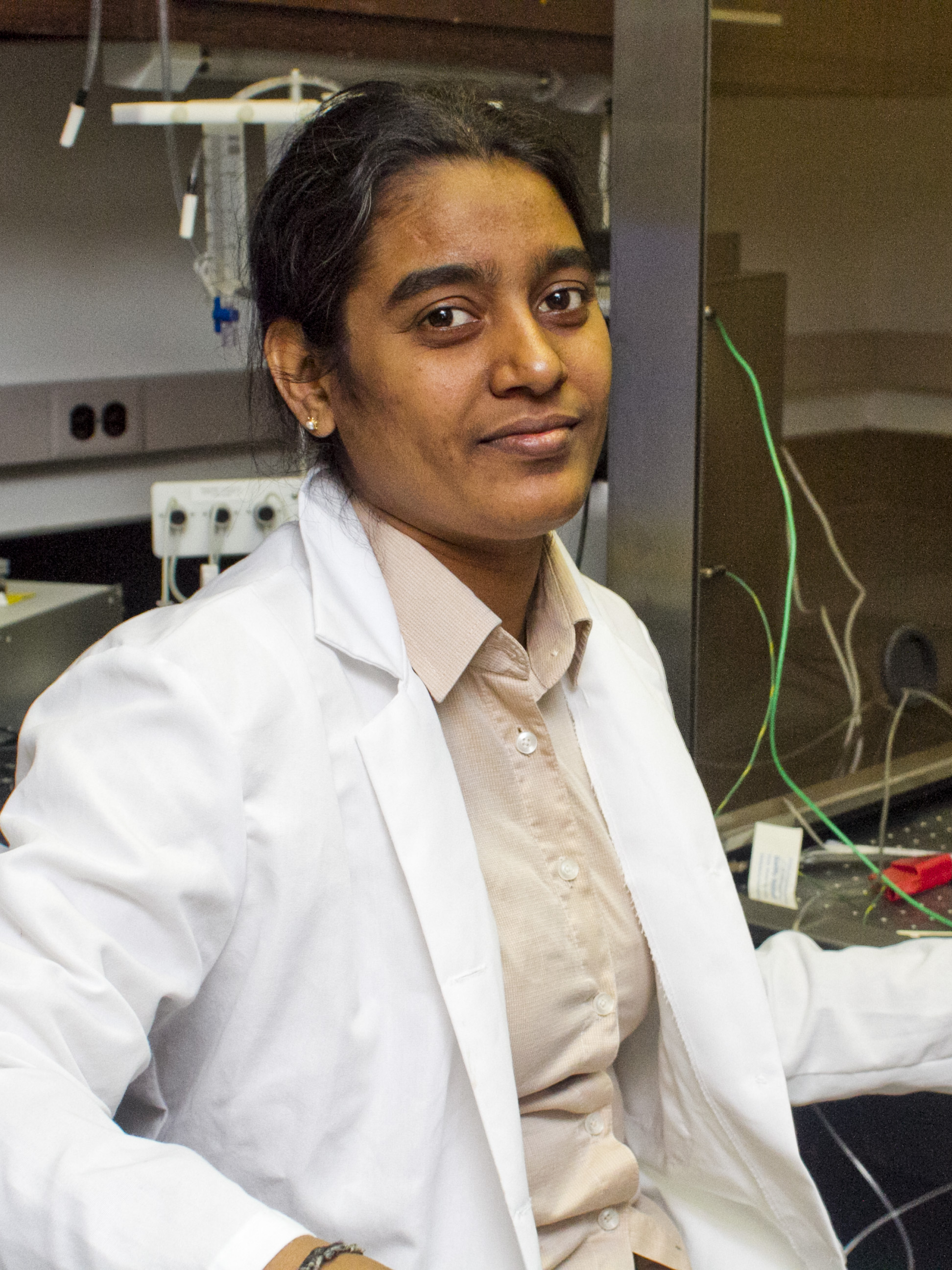
My current research is focused on understanding alcohol modulation of specific
subtypes of nicotinic acetylcholine receptors (nAChRs). Alcohol positively
modulates nAChRs in brain regions that play a role in reward including the VTA
and LDTg, this positive modulation may enhance nicotine reward and thus facilitate
alcohol and nicotine co-abuse.
Email: chandrikaabburi@gmail.com

Braeden Rodriguez
Research Technician
Email: braedenrod@uchicago.edu

Shivang Sullere
Graduate Student
Email: ssullere@uchicago.edu

Alexis Monical
Graduate Student
I am a first year graduate student in the MD/PhD program.
I studied biology and psychology at Marquette University ('17) for my undergraduate studies.
During undergrad, I gained experience with electrophysiology in the hippocampus studying calcium-activated potassium channels.
My current project in Dan McGehee's lab, focuses on the crosstalk between the aversive habenulo-peduncular and the reward mesolimbic pathways.
I am specifically interested in how an aversive high dose of nicotine interacts with these pathways.
Hopefully, this research will provide insights into how an aversive first experience with nicotine leads to less tobacco dependence in the future.
This could potentially identify risk factors associated with nicotine dependence.
Email: alexis.monical@uchospitals.edu

Shaohua Wang
Post-Doctoral Researcher
Email: shaohua.wang@stonybrook.edu
Emma Havonac
Undergraduate Researcher
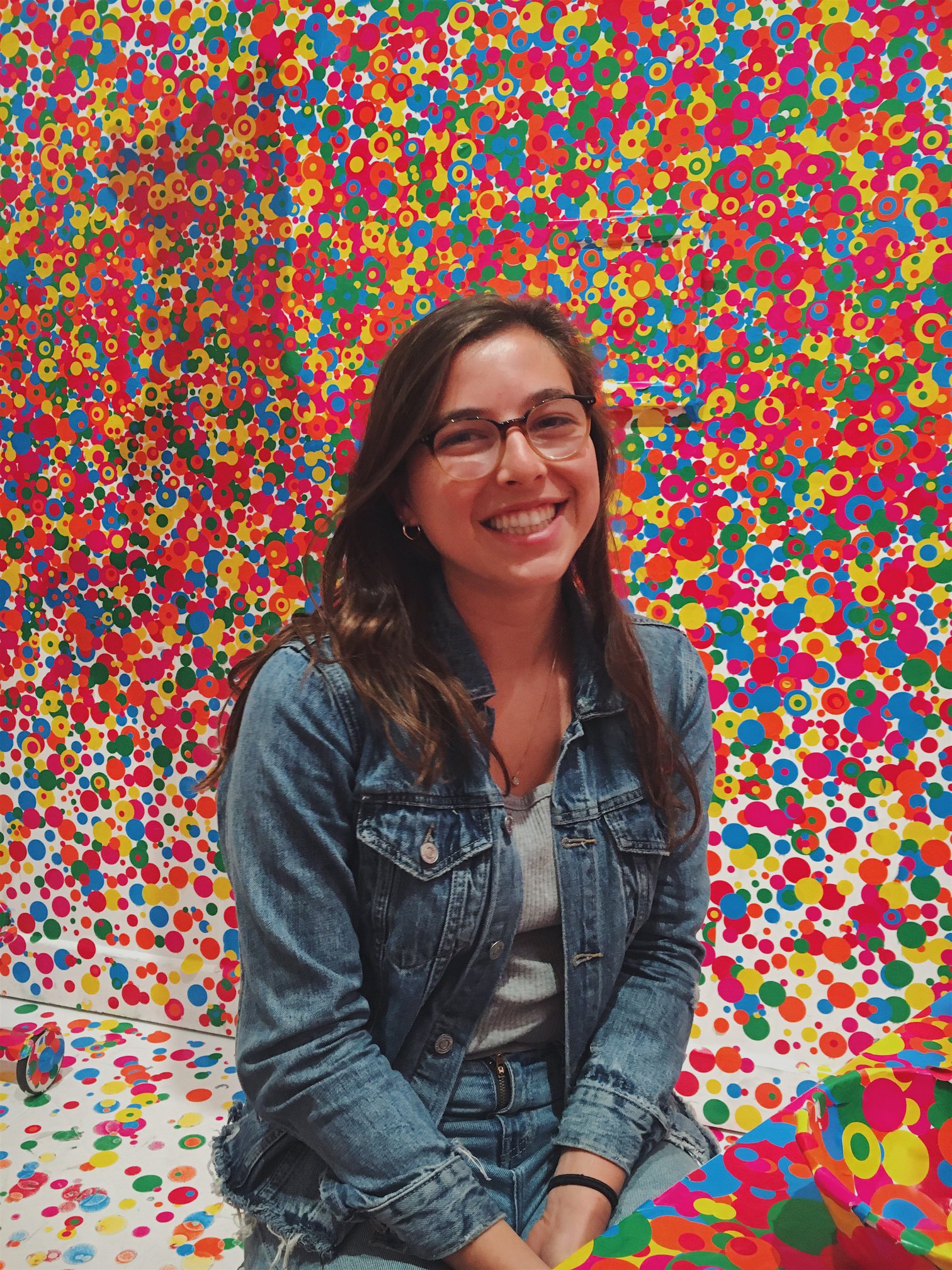
Emma is a 3rd year undergraduate neuroscience major working on the Pain Project.
She is particularly interested in the modulation of descending pain pathways, and is currently working on identifying mu opioid receptor and alpha-7 nicotinic receptor expression profiles in the vlPAG.
Previously, she has worked on nicotine addiction behavior studies.
Outside of the lab, Emma plays rugby, reads books, and runs.
Email: emmahovanec@uchicago.edu

Alissa Kunczt
Undergraduate Researcher
Alissa is a third-year undergraduate majoring in biology who hopes to attend medical school.
She is working on the pain project and is interested in the analgesic effects of alpha-7 agonists.
During her free time, she enjoys exercising, reading, and exploring the food and art scene in the city.
Email: alkunczt@uchicago.edu
Previous Members
- John McDaid (20XX-XX), Pos, Proj
- Austin Lim
- Shannon Wolfman
- Iboro Umana
- Vivian Wan
- Claire Daniele
- Keith Gallagher
- Meghan Brown
- Nichole Neugebauer